
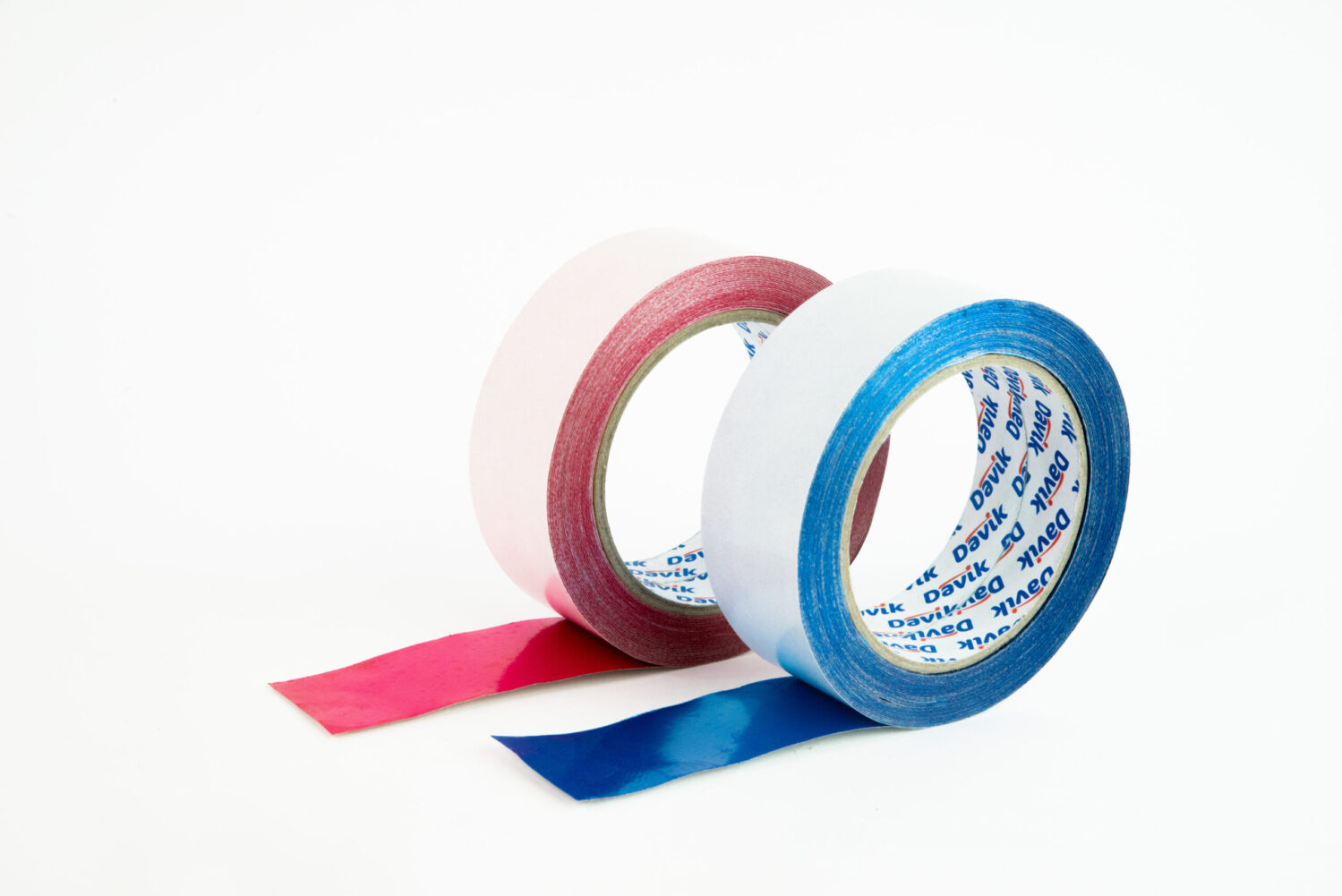
In hygiene manufacturing, production never truly pauses. Diaper, feminine care, and adult incontinence lines operate at extreme speeds, often running 24/7 to meet global demand. At these speeds, a single splice failure is not a minor inconvenience. It is a chain reaction that halts production, scraps material, and erodes profitability.
While major investments are made in machinery, automation, and raw materials, one small but critical component often determines real uptime performance: splicing tape.
The splice is the weakest point in the web. If it fails, the entire line follows.
The True Cost of a Failed Splice
When a splice breaks on a hygiene line, consequences escalate quickly. Line stoppage occurs immediately. Web breaks create material scrap. Semi-finished products are lost. Restart calibration consumes additional time. Quality deviations may affect subsequent production. Operator intervention increases, pulling skilled personnel from other tasks.
On high-speed hygiene lines, even a few minutes of downtime translate into substantial financial losses. Recent industry data reveals the scale of this impact:
- Average large-plant downtime costs $260,000 per hour, according to Gartner 2025 research
- Over 54% of organizations report their most recent serious outage exceeded $100,000 in total impact
- Shadow costs (expedited freight, overtime premiums, lost market share) inflate the true impact by 30 to 40 percent
- More than 80% of industrial businesses experienced unplanned downtime in the last three years
Each unplanned downtime incident averages four hours in duration. For a hygiene manufacturer operating multiple lines, these stoppages compound rapidly.
More importantly, frequent micro-stoppages reduce Overall Equipment Effectiveness (OEE) and create instability across shifts. OEE, the gold standard for measuring manufacturing productivity, combines availability, performance, and quality into a single score. Even small recurring disruptions gradually erode this metric, signaling deeper systemic problems.
Why Material-Specific Splicing Solutions Matter
Hygiene production lines manage 10 or more material rolls simultaneously. Each provides a different layer: nonwoven topsheets, polyethylene backsheets, fluff pulp cores, elastic materials, acquisition distribution layers, and breathable films.
These materials differ significantly in surface properties and tension requirements. A splicing tape optimized for polyethylene film may fail on textured nonwoven fabric. Wrong adhesive formulations cause bleeding, contamination, or incomplete bonding. Material-specific solutions are essential for reliable performance at production speeds.
The Flying Splice Advantage and Its Requirements
Modern hygiene lines incorporate dual-turret or auto-splicing unwind stands to eliminate manual roll changes. This flying splice technology holds two rolls simultaneously. As one roll depletes, the system automatically splices the leading edge of the new roll to the tail end of the old roll at full production speed. No line stoppage occurs.
Flying splice capability represents a major contributor to machine efficiency and overall uptime. However, it introduces a critical challenge: the splice itself becomes a defective part of the product. If not detected and removed, spliced sections could be packaged, shipped, and sold to final customers. Quality standards in hygiene manufacturing make this outcome unacceptable.
For a splice to be removed automatically, it must be designed to work with automatic identification systems. This requirement demands splicing tapes engineered for both structural performance and detectability:
- Metal detection capability through aluminum integration
- Optical detection through highly visible colors
- Immediate adhesion for fast application
- Shear resistance for machine processing
- Flexibility and softness to prevent line disruption
- Hand-tearable construction for operator convenience
Without these characteristics, even the most advanced flying splice equipment cannot function reliably. The tape becomes the limiting factor.
Davik’s Four-Variant Approach to Splice Detection
Davik Industries, a 40-year adhesive tape manufacturer and proud member of the INDA Association (International Nonwovens and Disposables Association), has developed four specialized splice detection tapes to address the varied requirements of hygiene manufacturing.
Each variant targets specific combinations of line speed, web width, and material characteristics.
DS4935: Precision for Standard Applications
DS4935 features an aluminum foil carrier coated on both sides with high-grade acrylic water-based adhesive. This configuration delivers balanced performance for the majority of hygiene production scenarios.
Technical characteristics:
- Film thickness: 30 microns
- Total thickness: 85 microns
- Tensile strength: 75 N/mm²
- Adhesion to steel: 20 N/inch
- Available colors: Red, Blue, White, Natural (silver)
The aluminum construction provides outstanding metal detection properties while maintaining the flexibility required for smooth processing through folding machines. High adhesion ensures immediate bond formation during flying splice operations. Excellent aging characteristics prevent degradation during storage or extended production runs.
DS4935 suits flying splices and folding machine applications across nonwoven materials commonly used in diaper topsheets, feminine care products, and adult incontinence layers.
DT4133: Built for Wide Production Lines
DT4133 addresses the challenges of wide-web production with a BOPP film base and hot-melt high tackiness adhesive. The tape integrates two aluminum stripes for metal detection while providing the aggressive initial tack needed for instant bonding on wide format lines.
The hot-melt formulation ensures performance under the higher processing speeds typical of large-scale hygiene manufacturing. The dual-stripe aluminum configuration provides redundant detection capability, critical when processing widths exceed standard dimensions.
DT4133 excels in flying splice applications on production lines manufacturing large-format adult incontinence products or multi-pack bundled baby diapers.
DS49925: Advanced Flexibility Through Lamination
DS49925 employs a flexible lamination of aluminum and PET film, coated with special acrylic water-based adhesive. This construction combines the metal detection properties of aluminum with the dimensional stability and strength of PET.
The laminated structure provides superior conformability to irregular or textured nonwoven surfaces. The water-based acrylic adhesive formulation minimizes the risk of adhesive transfer or bleeding, protecting product quality in subsequent processing stages.
This variant serves applications requiring enhanced flexibility during folding operations or when splicing materials with pronounced surface texture.
DS4885: Extreme Stretchability for Dynamic Applications
DS4885 represents Davik’s most specialized offering. Built on a nonwoven fabric carrier and integrated with two aluminum stripes, this variant delivers extreme stretchability. The nonwoven base allows the tape to elongate and recover without losing adhesive performance or detection capability.
The stretchable construction accommodates dynamic tension variations common in high-speed wide production lines. Materials experience tension fluctuations as they travel through dancer rolls, guide systems, and processing stations. A rigid splice can create stress concentration points that lead to web breaks. DS4885’s elastic properties distribute these stresses, maintaining web integrity.
The dual aluminum stripe configuration ensures reliable metal detection even when the tape is stretched during application or subsequent processing.
DS4885 suits flying splice applications on the fastest, widest hygiene production lines where material dynamics demand maximum flexibility.
Common Features Across All Variants
Despite their specialized characteristics, all four Davik splice detection tapes share fundamental performance attributes:
- High initial tack for fast splicing during automated operations
- Good shear resistance to withstand machine processing forces
- Softness and flexibility to prevent line disruption
- Outstanding metal detection properties for automatic identification
- Highly visible colors for operator recognition and optical detection
- Hand-tearable construction requiring no tools
- Custom color and dimension options for specific production requirements
These shared features reflect Davik’s 40 years of adhesive tape expertise and commitment to the hygiene manufacturing sector.
Detection, Removal, and Quality Assurance
Machine control systems track splices throughout production. Metal detectors identify spliced sections as they pass. Optical sensors provide secondary confirmation through visual detection.
When systems identify a splice, vision systems verify its location. Automatic rejection mechanisms remove the defective unit before packaging. This multi-layered approach ensures splices never reach consumers.
The effectiveness depends entirely on splicing tape performance. Weak metal detection creates missed splices. Poor color contrast reduces optical reliability. Inconsistent adhesion confuses sensor systems. High-performance splice detection tape eliminates these failure modes.
Implementing Splice Detection Tape for Maximum Impact
Successful implementation requires attention to several operational factors:
Material Matching: Select the Davik variant that matches your primary web materials. DS4935 for standard nonwovens, DT4133 for wide lines, DS49925 for textured materials, DS4885 for high-tension applications.
Storage Conditions: Maintain recommended storage at 15 to 30°C (59 to 86°F), 50% relative humidity, protected from direct sunlight. Shelf life extends one year from receipt when stored properly.
Surface Preparation: Ensure splice surfaces are clean, dry, and free from grease or oil contamination. Surface condition directly affects bond strength and splice reliability.
Operator Training: Hand-tearable construction simplifies application, but operators benefit from training on proper alignment, pressure application, and visual verification.
Detection System Calibration: Verify metal detector sensitivity settings accommodate the aluminum content in your chosen tape variant. Confirm optical sensors recognize the tape colors under production lighting conditions.
Preventive Replacement: Monitor adhesion performance over time. Replace tape rolls proactively rather than waiting for adhesive degradation to cause splice failures.
The OEE Connection
Reliable splicing directly impacts the three components of Overall Equipment Effectiveness:
Availability: Fewer splice failures mean fewer unplanned stoppages. Lines run for longer continuous periods between interventions.
Performance: Reduced micro-stoppages eliminate the cumulative drag on production speed. The line operates closer to its design capacity.
Quality: Effective splice detection and removal prevent defective products from reaching packaging. First-pass yield improves.
Industry data demonstrates the potential scale of OEE improvement. IoT-enabled maintenance and predictive systems have boosted OEE by 15 to 20 percent in manufacturing environments (Gartner 2025). Predictive maintenance approaches reduced unplanned downtime by up to 35 percent (McKinsey 2024).
While splicing tape represents one element within these broader improvement initiatives, it addresses a specific, measurable failure mode. Eliminating splice-related stoppages removes a recurring source of OEE erosion.
Strategic Importance for Growing Markets
Global hygiene demand continues expanding. The U.S. diaper industry reached $14.7 billion in 2024, with the global market projected to hit $100.94 billion by 2031. Meeting this demand requires manufacturing infrastructure operating reliably at maximum capacity.
Davik Industries brings four decades of adhesive tape expertise to this challenge. INDA Association membership reflects commitment to nonwovens and hygiene sectors. The four-variant splice detection portfolio addresses the full spectrum of production requirements. Custom sizing accommodates unique equipment configurations. Water-based acrylic formulations balance performance with environmental considerations.
When production operates at hundreds of meters per minute, when downtime costs $260,000 per hour, the invisible components become visible through their impact. High-performance splicing tape protects uptime, preserves yield, and safeguards quality.
FAQ
- Why does splicing tape quality matter more at higher production speeds?
At higher speeds, splice failures propagate faster through the system, causing more extensive web breaks and material waste before operators can intervene. Detection systems must also react more quickly, requiring consistent tape performance to ensure reliable identification. The financial impact of each stoppage increases proportionally with line speed, making splice reliability critical to operational economics.
- How do I know which Davik variant suits my production line?
DS4935 serves most standard nonwoven applications with balanced performance. Choose DT4133 for wide production lines requiring aggressive initial tack. Select DS49925 when working with textured or irregular nonwoven surfaces needing enhanced conformability. Specify DS4885 for the highest-speed, widest lines where extreme stretchability prevents stress concentration points.
- Can splicing tape affect Overall Equipment Effectiveness measurably?
Yes. Splice failures directly reduce the availability component of OEE through unplanned stoppages. They impact performance through micro-stoppages that slow production. They affect quality when detection fails and defective products advance. Eliminating splice-related failures removes a recurring OEE limitation, with industry data showing potential improvements of 15 to 20 percent from systematic reliability enhancements.
- What role does metal detection play in hygiene manufacturing quality control?
Metal detection identifies spliced sections automatically as they travel through production. This allows automatic rejection systems to remove defective units before packaging. The aluminum content in Davik splice detection tapes triggers these sensors reliably, ensuring splices never reach final products. Combined with optical detection, this creates redundant quality assurance.
- How does water-based adhesive compare to hot-melt formulations in splicing applications?
Water-based acrylic adhesives (DS4935, DS49925, DS4885) provide excellent aging characteristics, minimal bleeding risk, and strong performance across temperature ranges. Hot-melt formulations (DT4133) deliver aggressive initial tack for instant bonding on challenging surfaces. The optimal choice depends on specific material characteristics, processing conditions, and production requirements rather than universal superiority of either type.
- Why does Davik offer four splice detection tape variants instead of a single universal solution?
Hygiene manufacturing involves diverse materials (nonwovens, films, elastics, pulp), varying line widths (narrow to extremely wide), different speeds (moderate to extremely high), and distinct processing requirements (folding, tension variation, surface texture). A single tape cannot optimize for all these variables. The four-variant approach allows material-specific matching, ensuring reliable performance across the full spectrum of production scenarios.
