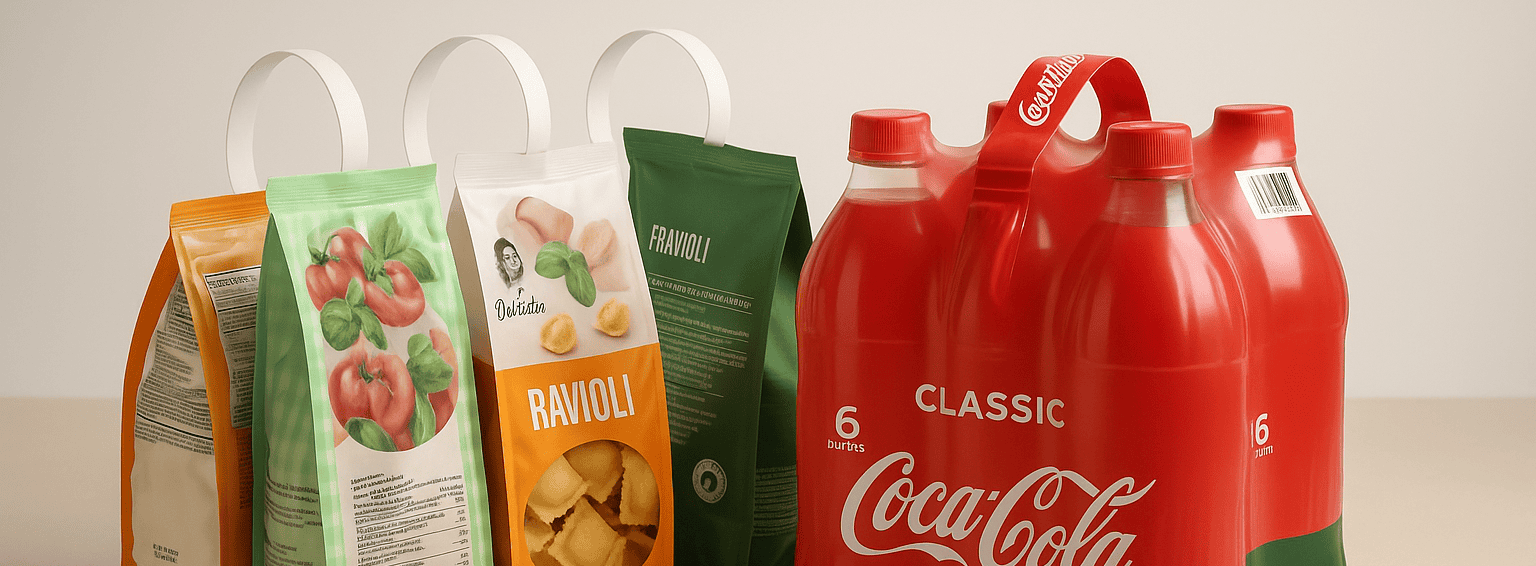
In the modern marketplace, competition is no longer defined only by product quality or price. Today, brands rise through emotional connections that create trust, comfort and loyalty. One of the most overlooked ways to build those connections comes from a simple but powerful design principle: Ease of Lift. When customers can lift, carry and handle a product with comfort, confidence and minimal effort, they interpret it as care. And when a brand makes consumers feel cared for, loyalty grows.
Ease of Lift belongs to a larger discipline called emotional engineering. This field blends ergonomics, psychology and marketing to understand how small design decisions influence how customers think and feel about a brand. Packaging that is easy to carry is not just a convenience feature. It is a statement about empathy, user respect and thoughtful problem solving. And when companies use smart packaging solutions like an adhesive carry handle, they turn a physical interaction into a moment of brand appreciation.
The Psychology Behind Ease of Lift
Every purchase ends with a physical interaction. A customer picks up the product, carries it to the car or transports it home. In that moment, they evaluate the brand again, even after the buying decision has been made. If the package is awkward to hold, too heavy, slippery or requires extra effort, frustration appears. This frustration may be small, but it accumulates. Over time, consumers subconsciously associate the brand with discomfort.
Now consider the opposite experience. A package that feels natural, balanced and effortless gives the customer immediate relief. Literally, it lightens the load. That positive sensation registers emotionally and becomes part of the brand perception. Ease equals care. Care equals trust. Trust becomes loyalty.
This is the foundation of emotional engineering. A physical interaction triggers an emotional evaluation. That emotional evaluation influences future buying choices.
One of the reasons this effect is so strong is because humans are wired to notice friction. When something is difficult, heavy or uncomfortable, the brain interprets it as a negative signal. But when something is unexpectedly easy, pleasant or supportive, the brain rewards the experience with satisfaction. Brands that reduce friction win customer loyalty.
Where Ergonomics Meets Branding
Ergonomics has traditionally focused on workplace tools and industrial equipment. But in recent years, the discipline expanded into packaging design because the principles are universal. Human hands have limits. Muscles fatigue. Grips slip. When packaging respects these realities, customers feel that the brand respects them.
This is why Ease of Lift is not only a functional benefit. It is a brand message. And it should be intentional.
Ergonomic packaging communicates:
- The brand understands the user.
- The brand invests in the user experience beyond the product.
- The brand sees value in customer comfort.
- The brand cares about accessibility for all ages and abilities.
These messages are not delivered through words or marketing campaigns. They are communicated through the product itself. And today, customers expect more from packaging. They expect it to be part of the service experience. When brands meet this expectation, they build emotional loyalty that competitors cannot easily imitate.
How Ease of Lift Drives Business Value
The emotional value of Ease of Lift is powerful, but the business value is equally strong. Companies that invest in ergonomic packaging see benefits across multiple touchpoints in the customer journey.
Increased customer satisfaction
Consumers remember positive experiences. They also remember when carrying heavy bottles, large multi-packs or bulk items caused discomfort. By improving Ease of Lift, a brand creates memorable comfort that becomes part of the story customers share.
Higher repeat purchase rates
Loyalty is built on trust and comfort. When customers feel that a brand consistently removes friction, they choose it again. This effect is especially strong for items purchased frequently, such as beverages, household supplies, or pet food.
Better brand differentiation
Most companies innovate around ingredients or pricing. Few innovate around customer ergonomics. This creates a competitive opportunity. When a brand invests in details like an adhesive carry handle, they stand out in a crowded market.
Fewer product drops and packaging damage
Improved grip and load distribution reduce the likelihood of products being dropped or damaged during carrying. This lowers waste and improves supply chain efficiency.
Stronger retail partnerships
Retailers appreciate products that are easier for customers to handle. It improves shopping comfort, increases shelf appeal and enhances the overall buying environment. Brands that invest in user-friendly packaging often gain better visibility and stronger retailer cooperation.
The Role of the Adhesive Carry Handle in Emotional Engineering
One of the simplest and most effective tools for improving Ease of Lift is an adhesive carry handle. It transforms even the heaviest or most awkward multi-packs into a comfortable, balanced and easy-to-carry experience. It requires minimal material, supports sustainability goals and integrates seamlessly into existing packaging lines.
The power of the adhesive carry handle lies in its combination of strength and simplicity. It creates a clear, reliable grip point that aligns with how the human hand naturally carries weight. It spreads the load, reduces pressure points and prevents the strain that customers often experience when carrying bulk items by the original packaging edges.
From an emotional standpoint, it creates an unexpected moment of ease. The customer notices that the carrying experience is significantly better than expected. This moment becomes a positive emotional imprint. The brand becomes remembered not only for what it sells, but for how it made the customer feel.
Designing for Emotion, Not Just Function
Companies often assume that customers do not notice packaging improvements. The reality is that customers notice everything that affects comfort. They also notice when a brand makes an effort to help them. When brands design for emotional experience, they strengthen consumer relationships.
Here are key principles to consider when designing with emotional engineering in mind:
- Simplify every interaction with the product.
- Reduce friction and physical effort required from the customer.
- Protect the user’s comfort at every step of the journey.
- Add parameters that really matter to your brand. Let people connect to that side. If environment is one of your values consider paper based pack and handle.
Packaging is the only part of a product the customer physically interacts with before use. That moment defines perception. And when the experience is effortless, the emotional reward becomes part of the brand identity.
Why Ease of Lift Will Shape the Future of Packaging
The global packaging industry is evolving quickly. Consumers are demanding more convenience, sustainability and comfort. Retailers want products that are easier to move, stock and handle. As competition grows, brands must look beyond surface-level innovation and consider deeper ways to create value.
Ease of Lift is becoming one of the most important elements in that shift.
It connects:
- Ergonomics
• Customer experience
• Emotional loyalty
• Sustainability
• Brand differentiation
By integrating simple yet powerful solutions like an adhesive carry handle, brands elevate their packaging from functional to thoughtful. They signal their commitment to user well-being. They transform a routine task into a positive moment.
In an era where brand love is earned through experiences, not slogans, this matters more than ever.
FAQ
- Why is Ease of Lift so important for customer loyalty?
Ease of Lift creates comfort and reduces physical effort, which customers interpret as care from the brand. This positive emotional experience strengthens trust and helps the customer feel supported. When people feel that a brand considers their comfort, they are more likely to purchase again and form long-term loyalty. - How does an adhesive carry handle improve the user experience?
An adhesive carry handle creates a secure and comfortable grip point that aligns with natural hand movement. It distributes the weight more evenly and prevents the strain caused by sharp edges or heavy packaging. This simple addition improves the carrying experience and sends a message that the brand values the customer’s comfort. - Can Ease of Lift impact sales performance?
Yes. Products that are easier to carry attract attention, increase customer satisfaction and encourage repeat purchases. Improved ergonomics also reduce product drops and damage, which benefits both brands and retailers. Over time, these effects translate into stronger sales performance and better market positioning. - Is improved Ease of Lift relevant for all industries?
Absolutely. Any brand that sells multi-packs, heavy items or family-sized packaging benefits from enhanced carrying comfort. From beverages and cleaning supplies to pet food and home improvement products, Ease of Lift influences customer perception across all categories. - Does Ease of Lift align with sustainability goals?
Yes. Smart solutions like adhesive carry handles use minimal materials and can replace bulky plastic fixtures or unnecessary packaging components. This helps brands reduce environmental impact while still providing an improved user experience. Better ergonomics and sustainability can work together rather than compete. - What is emotional engineering in packaging?
Emotional engineering refers to designing packaging in a way that creates a positive emotional experience for the customer. It combines ergonomics, psychology and marketing to ensure that the product feels good to interact with. When packaging creates comfort, ease and confidence, customers form stronger emotional bonds with the brand.